


How to Properly Insulate Skylights for Maximum Winter Energy Savings
The cold air always finds the tiny gaps first. Every year around late October homeowners start staring up at their ceiling windows feeling that distinct draft and wondering why the thermostat keeps running up the bill. Standard skylights act like open chimneys if the seals degrade or the framing lacks proper thermal protection bleeding expensive heat directly into the night sky. Fixing this cold spot requires looking past the glass itself to address the framing flashing and interior insulation gaps beneath the drywall. Getting the thermal barrier right saves money keeps the room comfortable and stops ice dams from tearing up your shingles.

Here’s How To Insulate Skylights Smartly.
Fixing the draft around glass requires looking beyond the window panel itself
Most winter heat loss rarely comes through the glass pane itself; instead it leaks directly around the rough opening framing. This happens because installers often skip expanding foam which leaves critical gaps in the vapor retarder. Consequently when warm interior air hits these cold drywall returns condensation forms almost instantly. Over time this trapped moisture leads to hidden mold development while simultaneously causing the wood studs inside the walls to rot.
To effectively fix this problem you must first remove the interior trim. Next carefully pack low-expansion spray foam into all open framing gaps. Finally ensure a complete seal between the window frame and the roof rafters to lock out cold air.
Hence adding a continuous vapor barrier over that foam keeps indoor humidity from migrating into the roof cavity which is standard practice when working with a skylights roofing contractor USA tailored for cold climates.
Drafty ceiling windows spike heating costs faster than uninsulated attic spaces
Warm air naturally rises creating an updraft that forces home heating output straight toward the highest glass points in the house. If the light shaft lacks a dense insulation board along its outer walls that heat escapes long before it ever warms your living space.
Low E Glass Performance: Dual pane units with argon gas fills reflect radiant room heat back downward reducing thermal transfer significantly compared to old single pane glass.
Insulated Light Shafts: Wrapping the hidden walls of the light tunnel with rigid foam board prevents heat from radiating sideways into the cold attic space.
Cellular Shade Thermal Barriers: Cellular honeycomb blinds trap a layer of still air right against the glass adding an effective insulating buffer on freezing nights.
Insulation techniques require proper exterior flashing and tight air seals
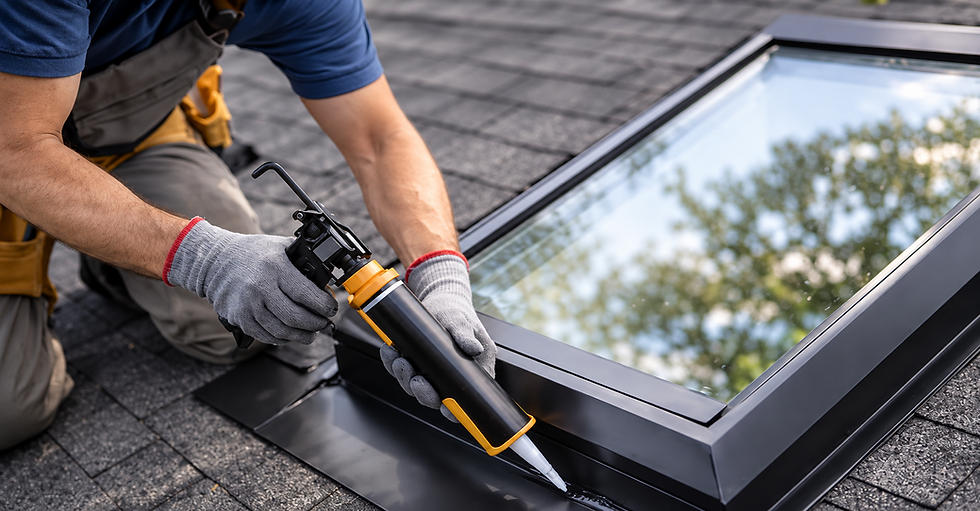
Exterior flashing leaks quickly destroy interior insulation especially as snow continuously piles up on the top flange. During the day warm temperatures melt the snow but the night cold freezes it again. Consequently ice backs up under the surrounding shingles which ultimately creates a severe structural risk.
To prevent this issue you should run ice barrier membranes up the window curb and carefully lap them over the step flashing. The experts at Naples Roofing inspect hundreds of winter roof leaks each year. They consistently find that the top header flange lacks a proper seal. Therefore you must always secure the exterior barrier first before you ultimately add interior thermal layers.
Proper sealing stops destructive ice dam formations along the roofline
Poorly insulated skylight frames leak heat. This heat warms the roof deck. Snowpack melts from the bottom up. Meltwater trickles down toward cold eaves. It freezes into thick ice ridges. Water backs up under the shingles. This causes structural rot. Indoor ceiling stains follow.
Continuous Ice Barrier: Self adhering membrane wrapped completely around the wooden curb creates a watertight seal even if ice backs up under the flashing.
Proper Flashing Sequence: Step flashing interwoven tightly with each shingle course directs water away from the frame naturally using gravity.
Baffled Attic Ventilation: Maintaining clear airflow channels under the roof deck around the light shaft keeps the outer roof temperature uniform stopping ice dams before they form.
Professional installations eliminate structural thermal bridging and vapor leaks
Older light shafts often feature raw drywall nailed directly against bare roof rafters with zero insulation in between. That setup creates a direct bridge for heat to escape into the cold air outside constantly pulling cold drafts down into your living room. Eliminating that cold sink requires stripping back the drywall return to install high density polyisocyanurate insulation boards against the framing. When home owners work with reliable skylight roofers in USA they avoid the common mistake of using open cell foam in areas where ambient interior moisture can soak into the insulation fibers.
Winter weather reveals every hidden flaw in poorly sealed window frames
Thermal efficiency requires managing three layers simultaneously. You must balance airflow moisture and insulation. Skipping step flashing creates leaks. Leaving gaps in the vapor wrap traps moisture. These errors cause water stains. You waste heating fuel. Rooms become drafty. Always inspect the outer seal carefully. Insulate the light shaft walls. Install quality thermal blinds. These steps protect against winter weather. Attention to detail keeps your space warm. Your heating costs drop all season long.
Conclusion
Whenever November rolls are around the cold winds kick up. It quickly becomes clear which homes spent time prepping their ceiling windows and which ones skipped the details. After all, those cold drafts near the couch are rarely a mystery. Rather it is usually just heat escaping through uninsulated framing and worn out perimeter seals.
By addressing those thermal gaps properly you effectively eliminate the cold spots that protect your roof structure from moisture and keep your energy bills predictable. Ultimately a well-insulated setup handles whatever winter throws at it thereby letting you enjoy the sunlight without feeling the chill. Therefore if you want a long-term fix consulting experts in skylight installation buffalo NY ensures your light shafts stay completely dry fully sealed and warm throughout the freezing months.


Comments